
How to Brew the Perfect Cup of Tea Everyday
- yahwehraphatea
- Mar 24
- 4 min read
Tea is more than just a beverage; it’s a ritual, a moment of peace in our busy lives. Whether you’re a seasoned tea enthusiast or a casual drinker, brewing the perfect cup of tea can elevate your experience. In this guide, we will explore the essential steps, tips, and tricks to ensure that every cup you brew is delightful.

Understanding Tea Types
Before diving into the brewing process, it's crucial to understand the different types of tea available. Each type has its unique flavor profile, aroma, and brewing requirements.
Black Tea
Black tea is fully oxidized, giving it a robust flavor. It is often enjoyed with milk or sugar. Popular varieties include Assam, Darjeeling, and Earl Grey.
Green Tea
Green tea is minimally processed and retains its natural green color. It has a lighter flavor and is rich in antioxidants. Varieties include Sencha, Matcha, and Jasmine.
Oolong Tea
Oolong tea is partially oxidized, falling between black and green tea in terms of flavor. It offers a complex taste and aroma, with varieties like Tieguanyin and Da Hong Pao.
White Tea
White tea is the least processed, made from young leaves and buds. It has a delicate flavor and is often enjoyed plain. Silver Needle and White Peony are popular choices.
Herbal Tea
Herbal teas are technically not teas but infusions made from herbs, fruits, and flowers. They come in various flavors and can be caffeine-free. Examples include chamomile, peppermint, and hibiscus.
Choosing Quality Tea
The quality of tea significantly impacts the flavor of your brew. Here are some tips for selecting high-quality tea:
Loose Leaf vs. Tea Bags: Loose leaf tea generally offers better flavor and aroma compared to tea bags, which often contain lower-quality leaves.
Check the Packaging: Look for tea that is packaged in airtight containers to preserve freshness.
Read Reviews: Research brands and read reviews to find reputable sources for your tea.
The Brewing Process
Now that you understand the types of tea and how to choose quality leaves, let’s dive into the brewing process.
Step 1: Gather Your Tools
To brew the perfect cup of tea, you will need:
Teapot or Infuser: A teapot or a tea infuser for loose leaf tea.
Kettle: For boiling water.
Measuring Spoon: To measure the right amount of tea.
Timer: To ensure proper steeping time.
Step 2: Measure Your Tea
The general guideline is to use one teaspoon of loose leaf tea per cup (about 8 ounces) of water. Adjust according to your taste preference.
Step 3: Heat the Water
Different types of tea require different water temperatures:
Black Tea: 200-212°F (93-100°C)
Green Tea: 160-180°F (71-82°C)
Oolong Tea: 190-200°F (88-93°C)
White Tea: 160-185°F (71-85°C)
Herbal Tea: 200-212°F (93-100°C)
Using a thermometer can help you achieve the perfect temperature.
Step 4: Steep the Tea
Steeping time varies by tea type:
Black Tea: 3-5 minutes
Green Tea: 2-3 minutes
Oolong Tea: 4-7 minutes
White Tea: 4-5 minutes
Herbal Tea: 5-7 minutes
Use a timer to avoid over-steeping, which can lead to bitterness.
Step 5: Enjoy Your Tea
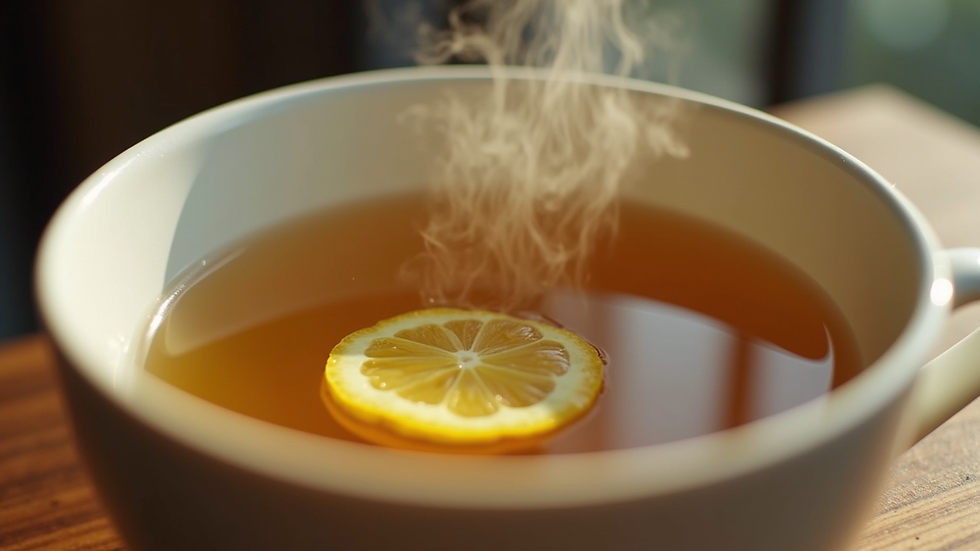
Once steeped, pour your tea into a cup. You can enjoy it plain or add milk, sugar, honey, or lemon according to your preference.
Tips for the Perfect Brew
To enhance your tea experience, consider the following tips:
Use Fresh Water: Always use fresh, cold water for boiling. Avoid reboiling water as it can affect the taste.
Preheat Your Teapot: Rinse your teapot with hot water before brewing to maintain the temperature.
Experiment with Flavors: Don’t hesitate to try different combinations of teas and add-ins like spices or herbs for a unique flavor.
Common Mistakes to Avoid
Even seasoned tea drinkers can make mistakes. Here are some common pitfalls to avoid:
Using Water That’s Too Hot: This is especially important for green and white teas, which can become bitter if brewed at high temperatures.
Not Measuring Tea: Using too much tea can lead to a strong, overpowering flavor.
Ignoring Steeping Times: Over-steeping can ruin the taste, while under-steeping can result in a weak brew.
Storing Your Tea
Proper storage is essential for maintaining the quality of your tea. Here are some tips:
Keep It Cool and Dark: Store tea in a cool, dark place away from sunlight and moisture.
Use Airtight Containers: Glass jars or metal tins work well to keep tea fresh.
Avoid Strong Odors: Tea can absorb odors, so keep it away from spices or strong-smelling foods.
The Health Benefits of Tea
Drinking tea regularly can offer numerous health benefits, including:
Antioxidants: Tea is rich in antioxidants, which can help combat free radicals in the body.
Hydration: Tea contributes to your daily fluid intake, keeping you hydrated.
Heart Health: Some studies suggest that tea can improve heart health and lower cholesterol levels.
Conclusion
Brewing the perfect cup of tea is an art that combines quality ingredients, proper techniques, and personal preference. By understanding the types of tea, choosing quality leaves, and following the right brewing steps, you can enjoy a delightful cup every day. So, gather your tools, experiment with flavors, and savor the moment. Happy brewing!

Comments